
The best salt free water softener for an apartment is the YARNA CWD24 for most renters, with the iSpring ED2000 as the pick when your water runs hard. Both clamp onto the cold water line in minutes, need no salt, no drain line, and no landlord permission to touch the plumbing.
That last detail is the whole reason this roundup exists. A real ion-exchange softener needs a brine tank, a drain line running to a floor drain, and a permanent cut into the main shutoff. In a rented unit, all three of those belong to the landlord, and most leases will not allow them.
Here is the honest catch before you read further. A salt-free system removes zero hardness. Your water will still test hard on a TDS meter, and no reviewer who expected spa-soft water will be satisfied. What these systems do is change how calcium and magnesium behave, so they stay suspended in the water instead of plating onto your shower glass, kettle, and water heater.
We put 10 of the most-reviewed salt free water softeners for apartments side by side, focusing on three things renters actually care about: whether installation touches the plumbing, how much space the hardware needs, and how much of the benefit shows up on very hard water. Nine of the ten install without a plumber, and every one carries a verified review count and rating we quote exactly as listed.
Table of Contents
- Top 3 Picks: Best Salt Free Water Softeners For Apartments (October 2026)
- All 10 Salt Free Water Softeners for Apartments in 2026
- 1. YARNA CWD24 Electronic Water Descaler – The Most Reviewed Clamp-On Pick
- 2. iSpring ED2000 Whole House Electronic Descaler – Best for Renters Overall
- 3. A. O. Smith Whole House Salt-Free Scale Control – Best Whole-Apartment Coverage
- 4. EDDY Inductive Descaler – Best Premium Magnetic Pick
- 5. HQUA 5000E Pro Dual-Coil Descaler – Best for Two Treated Areas
- 6. Mineral Magnet II Magnetic Conditioner – Most Versatile
- 7. SCALESWEEPER SW-17 Electronic Descaler – Best for Mixed Pipe Types
- 8. Timilge Electromagnetic Descaler – Best Lightweight Pick for Long Pipe Runs
- 9. briskspring J-600-BS Inline Descaler – Best for Water Heaters and Boilers
- 10. SAGEFINDS Ceramic Ferrite Conditioner – Best Portable Pick for 3/4-Inch Pipes
- Can You Install a Water Softener in an Apartment? Renter Rules First
- How to Choose a Salt Free Water Softener for an Apartment
- Frequently Asked Questions
- Final Verdict: The Best Salt Free Water Softeners for Apartments
Top 3 Picks: Best Salt Free Water Softeners For Apartments (October 2026)

YARNA CWD24 Descaler
- Clamp-on with no pipe cutting
- Needs 10 inch of straight pipe
- Handles pipes up to 1 inch
- Corded electric
- Keeps minerals in the water

iSpring ED2000 Descaler
- No plumbing modifications
- Works on PEX and PVC
- Built for 10-19 GPG water
- 7 x 3.5 x 2 inch body
- 1 year money-back guarantee
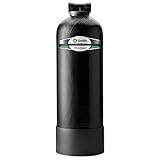
A. O. Smith Scale Control
- Salt-free and chemical-free
- 7 gpm flow rate
- 600000 gallon rated life
- 30 inch tall tank
- 6 year warranty
All 10 Salt Free Water Softeners for Apartments in 2026
| Product | Specs | Action |
|---|---|---|
| YARNA CWD24 Electronic Descaler |
|
Check Latest Price |
| iSpring ED2000 Whole House Descaler |
|
Check Latest Price |
| A. O. Smith Whole House Scale Control |
|
Check Latest Price |
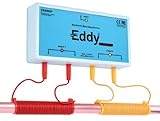 EDDY Inductive Whole House Descaler EDDY Inductive Whole House Descaler |
|
Check Latest Price |
 HQUA 5000E Pro Dual-Coil Descaler HQUA 5000E Pro Dual-Coil Descaler |
|
Check Latest Price |
 Mineral Magnet II Magnetic Conditioner Mineral Magnet II Magnetic Conditioner |
|
Check Latest Price |
 SCALESWEEPER SW-17 Electronic Descaler SCALESWEEPER SW-17 Electronic Descaler |
|
Check Latest Price |
 Timilge Electromagnetic Descaler Timilge Electromagnetic Descaler |
|
Check Latest Price |
 briskspring J-600-BS Inline Descaler briskspring J-600-BS Inline Descaler |
|
Check Latest Price |
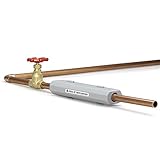 SAGEFINDS Ceramic Ferrite Conditioner SAGEFINDS Ceramic Ferrite Conditioner |
|
Check Latest Price |
1. YARNA CWD24 Electronic Water Descaler – The Most Reviewed Clamp-On Pick
YARNA Electronic Water Descaler – No-Salt Softener, Pipes to 1″ CWD24
Clamp-on install
Capacitive treatment
1 inch pipe maximum
1 ton capacity
Corded electric
Pros
- No salt
- no wastewater
- and no plumbing modifications
- Tool-free install needing only 10 inches of free pipe space
- Keeps beneficial minerals while breaking down limescale crystals
- Works with any pipe material up to 1 inch diameter
Cons
- Manufacturer notes it can take up to three months to show significant improvement
- Limited to pipes up to 1 inch diameter
- Outcomes are inconsistent with a notable share of 1-star ratings
YARNA CWD24 is the unit we keep coming back to for apartment hunting, and the reason is the review count. At 2,633 verified ratings it is the most reviewed salt-free conditioner in this roundup, which means the failure modes are well documented instead of hidden behind a handful of testimonials.
The install is genuinely tool-free. You clamp the unit over the cold line where it enters the unit, plug it in, and walk away. The manufacturer asks for a minimum of 10 inches of straight pipe, and the coil caps work on any pipe material up to 1 inch diameter.
What you should expect is scale reduction over weeks, not a change in how the water feels. Reviewers describe the same pattern repeatedly: shower glass and faucet aerators get easier to clean, but a hardness test still reads hard a month later. That expectation gap is the number one reason people return salt-free conditioners.
The CWD24 is also honest about time. The manufacturer itself notes it can take up to three months to observe significant improvement, and it will not touch existing scale that has already hardened onto a showerhead.
When the CWD24 works in a small apartment
This is the one to buy if your pipe run has 10 clear inches and the pipe is under an inch across, which covers most apartment riser lines. It mounts on the incoming line so the whole unit benefits, and it needs no basin, no floor drain, and no wall anchor.
The 1 inch ceiling is the real limitation. If your building uses a 1.25 inch or larger line, this specific variant will not fit and you need the CWD 48 instead, or a different unit from this list.
When to skip the CWD24
Skip it if you live above the 25 GPG mark, because the reported outcomes on very hard water are where the 1-star ratings concentrate. Skip it too if you need visible results in two weeks, since the slow ramp is a design feature rather than a defect.
A renter in our research installed a clamp-on electronic descaler of this style in about three minutes with zero tools and no landlord noticing. That is the exact use case this product is built for.
2. iSpring ED2000 Whole House Electronic Descaler – Best for Renters Overall
iSpring ED2000 Whole House Water Descaler, Alternative Electronic Salt-Free Hard Water Conditioner, Reduces Limescale Prevent Deposits Build-up, Different from a Water Softener
No plumbing modifications
Self-installation
7 x 3.5 x 2 inch
Activated carbon treatment
2 pounds
Pros
- No chemicals
- salt
- or maintenance while keeping healthy minerals
- No plumbing modifications and works on PEX and PVC
- 1 year money-back guarantee with lifetime technical support
- Reduces energy consumption with an average one-year payback
Cons
- Does not change water chemistry so a hardness test still reads hard
- Maximum TDS listed at 326 ppm
- Scale reduction takes time and is not immediate
The ED2000 is the pick we recommend most often to renters, and it edges out the CWD24 for one reason: it is rated for harder water. The manufacturer designed it for 10-19 GPG, which covers the band where most apartment buildings sit.
At 7 by 3.5 by 2 inches and 2 pounds, it is a compact body that mounts externally without cutting into the pipe, which is a fraction of the footprint of the media tank later in this list. Owners frequently pair one with an under-sink filter and describe it as cheap insurance for a water heater they do not own.
Owners report the same arc: gradual reduction in limescale in kettles, faucets, and showerheads, with a lot of praise for the simplicity of the install. The recurring complaint is expectation, since a portion of buyers expect true softening and feel short-changed when the hardness reading never moves.
The 326 ppm TDS ceiling is the part people miss. On mineral-heavy municipal water above that level, results weaken noticeably, so test your water before buying. You can also read our water softener guide for well water if your building has a well rather than a city connection.
Why this is the safest renter buy
The ED2000 makes no permanent change to the apartment. Nothing is cut, nothing is capped, and the whole thing comes off in about the same time it went on, which is exactly what you want at move-out when the deposit is on the line.
It also works on PEX, PVC, copper, and mixed plumbing, so you do not have to know what your building used in 1974. The one-year money-back guarantee and lifetime technical support give you a low-risk way to find out if it helps your water.
Where it falls short
Skip it if you chase soft-feeling water, since it changes nothing about the chemistry. Skip it on very high TDS water, and skip it if you are on a tight power budget in a building where outlets are scarce under the sink.
Another caveat: like every electronic unit here, it does nothing useful if the effect decays far from the mounting point. In a large floor plan with a long branch to the bathroom, results are strongest near the install.
3. A. O. Smith Whole House Salt-Free Scale Control – Best Whole-Apartment Coverage
A. O. Smith Whole House Salt-Free Scale Control | 600K Gal | AO-WH-DSCLR
Scale control media
7 gpm flow
600000 gallon life
6 year warranty
30 inch tank
Pros
- Salt-free and chemical-free with no cleaning
- backwashing
- salt
- or electricity
- Keeps working during a power outage
- Low-profile tank design saves installation space
- 6 year warranty with a 600000 gallon rated life
Cons
- Not a true softener and does not reduce TDS
- sulfur
- or iron
- Intended for hardness under 15 GPG with pH under 8.3
- Plumbing changes are usually beyond a casual DIY job
This is the only media-based system in the roundup, and at a 4.4 rating across 1,963 reviews it sits at the top of the verified scores here with a deep review base. Instead of an electronic signal it runs scale control media, so it keeps working with no outlet and no moving parts.
That makes it a strong fit for a condo you own or a rental where the landlord has approved a plumbing change. It is also the option that asks the most of you: a 30 inch tall tank, a shut-off valve, and usually a plumber.
Reviewers consistently point to the same wins: noticeably less scale, better lather, and easier cleaning of showers, sinks, and glass doors. The recurring drawbacks are installation complexity, occasional slow leaks at the tank fitting, and difficulty arranging warranty service after the return window closes.
The specs are unusually specific for a salt-free product, and those numbers are the buying filter. It is designed for hardness under 15 GPG, alkalinity under 250 mg/L, pH under 8.3, and iron under 0.3 ppm. Outside that range you are guessing.
When this tank is the right call
Choose it if you have a mechanical closet, a genuine utility space, or a landlord who will sign off on a plumber. Rated for 7 gpm, it is sized for households of 4 or more, and the 600000 gallon life means you are not shopping for media in a rental cycle.
It works on both well and city water, though the manufacturer recommends a pre-filter. If you are dealing with iron, that pre-filter is not optional, a point apartment owners raise constantly when galvanized risers are in the building.
Why most renters should not buy it
In a typical apartment the tank is a 30 inch pipe-shaped obstruction in a space that may not exist. The electronics-free design is a genuine advantage, but the plumbing footprint is exactly what most leases prohibit.
It is also capped at 15 GPG. On water harder than that, the electronics in this roundup actually have a better stated range, which is a counterintuitive result worth knowing before you spend.
4. EDDY Inductive Descaler – Best Premium Magnetic Pick
EDDY Inductive No Salt Water Softener Alternative | Electronic Water Descaler for Whole House | Reduces Limescale | Electromagnetic Water Conditioner
AC magnetic pulse
10 gpm flow
14 ounces
365 day guarantee
Lifetime warranty
Pros
- True AC magnetic pulse waveform instead of a static field
- British built and refined over 25 years
- No salt
- no water waste
- and very low running cost
- Fits copper
- plastic
- iron
- or steel without a plumber
Cons
- Prevents new scale rather than removing heavy existing deposits
- Does not work on iron pipe and depends on correct coil winding
- Effectiveness drops on very hard water and some owners need a second unit
EDDY is the odd one out technically. Rather than a permanent magnet sitting against the pipe, it generates a true AC magnetic pulse waveform from a microchip, which the maker argues makes performance less dependent on flow rate.
At 6.75 by 1.5 by 3.5 inches and 14 ounces, it weighs less than any other whole-house unit here, and its 365-day satisfaction guarantee plus a lifetime repair-or-replace warranty is the only open-ended warranty in the roundup.
Long-term owners report that shower glass, faucets, shower heads, and dishwashers stay noticeably cleaner over months. Several reviewers trace early failures back to incorrect coil winding rather than the unit itself, which is worth knowing before you dismiss a bad result.
Reviews are genuinely split on very hard water. On 20-25 GPG and above, results are described as modest, and some owners end up running a second unit. That is an honest limitation, not a defect.
What the AC waveform buys you
Static magnetic clamps lose effectiveness as flow rises. A pulsed signal is less flow-dependent, which matters in an apartment where a kitchen tap and a shower can run at the same time on older risers.
The lifetime repair-or-replace warranty also fits renter life better than a fixed-term guarantee, since there is no year count to run out on. If you are buying once and moving twice, that matters.
When to pass on EDDY
Pass if you have galvanized or iron supply pipe, because the maker states the unit does not work on it, and many older apartment buildings still have some. Pass if you are chasing removal of scale that is already there; this prevents new deposits rather than dissolving old ones.
Also pass if the cost of the hardware feels out of line with the plastic in it. A few buyers say exactly that, and the argument has some merit on a purely material basis.
5. HQUA 5000E Pro Dual-Coil Descaler – Best for Two Treated Areas
HQUA 5000E Pro Whole House Electronic Water Descaler, Alternative Salt-Free Water Softener, Hard Water Conditioner for Limescale Buildup Prevention (2 Coils)
Dual coil outputs
24 gpm flow
5 x 1.5 x 3.5 inch
Wall mount
Corded electric
Pros
- Dual-coil design treats more than one area with no pipe cutting
- No salt
- resin tank
- drain line
- or filter replacement
- Keeps calcium and magnesium in the water
- Compact and lightweight with a simple wall-mount install
Cons
- Hardness tests may show little or no change
- Several buyers report results fading after a few months
- Some arrived without the two-sided tape needed for mounting
The 5000E Pro is the only unit here with two coil outputs, and that is its whole argument. One coil can sit on the incoming line while the second covers a distant branch, such as a bathroom riser that runs far from where water enters.
It mounts externally on the main water pipe with no pipe cutting, no bypass valve, and no plumbing work. At 16 ounces and 5 by 1.5 by 3.5 inches, it can live on a wall next to the shutoff in a closet.
Many owners report early wins: better soap lather, fewer spots on stainless and glassware, and improved dishwasher spray within days to weeks. The listed 24 gpm maximum flow rate is the highest figure among the products here, comfortably above what a two-person apartment uses.
The critical reviews cluster in two groups. Some installed on very hard water, and some had hardware stop delivering after a few months, which is the single most common complaint pattern for electronic descalers in the customer data we reviewed.
Why the second coil is the feature that matters
Electromagnetic treatment decays with distance from the coil. In a floor plan where the shower is on the far side of the unit, one coil may not reach it, and a second coil is cheaper than buying a second whole system.
Using fewer than two coils is also acceptable, so you can start with one and add coverage later if you find a dead zone. That flexibility is unusual in this category.
When the HQUA is the wrong tool
Skip it if a hard water reading is part of how you judge results, because minerals stay in the water by design. Skip it if you need plumbing-grade filtration alongside scale control, since this is a conditioner and not a filter.
It is also wall mount, so check that you have a dry surface with clearance near the pipe entry. A few owners received models without the two-sided mounting tape and had to bracket them separately.
6. Mineral Magnet II Magnetic Conditioner – Most Versatile
Mineral Magnet II Magnetic Water Softener/Conditioner for Hard Water. Installs easily, no maintenance. USA owned.
Passive magnetic clamp
4.3 x 3.3 x 1.5 inch
1 pound
Fits 1.25 inch pipes
No electricity
Pros
- No salt
- chemicals
- electricity
- maintenance
- or moving parts
- Installs in under a minute with no tools and fits pipes up to 1.25 inches
- Four strontium ferrite magnets in a non-corrosive housing
- 5 year limited warranty
Cons
- Effect is partial rather than a replacement for a true softener
- Needs clearance to fit the unit and work with both hands
- One unit only treats the line it is clamped to
This is the simplest way to find out whether scale control is worth anything to you. There is no power, no wiring, and no moving parts, just a polypropylene housing with four strontium ferrite magnets that clamps over the pipe.
It asks the least of any product here on every axis that matters to a renter. No outlet, no tools, no plumbing, and the housing carries a 5 year limited warranty.
Reviewers describe a gradual but believable improvement in shower glass, sinks, toilets, and laundry after two to six weeks. The manufacturer suggests looking for better flow and volume within 15 to 90 days, which is a reasonable timeline to judge it against.
The catch is scope. A single unit only treats the line it is clamped to, so a whole apartment usually means several clamps, and the helpful reviewers who got the best results ran more than one.
Where a passive magnet still makes sense
On copper, galvanized, PVC, PEX, and iron pipe up to 1.25 inches, the fit is universal. That compatibility is a bigger deal in an older building where you may have mixed pipe types in the same cabinet.
It also needs no outlet, which solves a common under-sink problem where the only socket is on a garbage disposal circuit the landlord may not want re-wired. If that cabinet is already crowded, our countertop dishwasher picks for apartments solve the same space problem a different way.
When to skip the passive magnet
Skip it if you want one clamp to cover the whole apartment, because a static field is local by design. It also needs enough clearance to seat the unit and to press both hands against the housing.
A minority of users see no change at all, and on water above 20 to 25 GPG a static magnetic clamp does noticeably less than the electronic options in this list. Think of it as a first experiment, not a finished system.
7. SCALESWEEPER SW-17 Electronic Descaler – Best for Mixed Pipe Types
SCALESWEEPER Whole House Electronic Water Descaler & Hard Water Conditioner – Salt-Free Scale Prevention, Reduces Limescale & Protects Pipes, Appliances, Water Heater
Cable wrap install
2 pounds
Works on five pipe types
No chemicals
Maintenance free
Pros
- Installs in minutes with no pipe cutting
- no tools
- and no plumber
- No salt or chemicals and very low running cost
- Works on copper
- PVC
- PEX
- galvanized
- and stainless steel pipe
- Users report less soap scum and limescale within weeks
Cons
- Results build gradually over weeks to months
- A portion of buyers report no meaningful limescale reduction
- Some arrived with stripped screws or a detached internal power lead
SCALESWEEPER takes the cable-wrap approach: you mount the 2-pound control unit, wrap the signal cables around the incoming pipe, and plug it in. That is the entire install, and it is why owners call it cheap preventative maintenance for older plumbing.
The pipe compatibility list is the reason it earns its badge. Copper, PVC, PEX, galvanized, and stainless steel are all covered, which makes it a safe pick in an older building where you cannot be sure what the riser is made of.
Owners generally report quicker hot water at faucets, better lather, and shower doors that stay clean after an initial acid cleaning of the existing deposits. The scale that has already hardened does not disappear on its own, so treat the first clean as part of the process.
Negative feedback centers on units that arrived dead or partially disconnected, and on third-party marketplace units that could not be returned for a warranty replacement. The same pattern shows up repeatedly in renter discussions about buying from resellers rather than the brand directly.
What makes it apartment-friendly
No plumber means no inspection, no deposit exposure, and no landlord conversation in most cases. The unit mounts on a wall near the entry point and the cables wrap the outside of the pipe, so nothing is permanently altered.
Running cost is close to nothing beyond electricity, since there is no salt, no media, and no cartridge. Over a typical lease that adds up to a very small total cost of ownership.
When it is not worth it
Skip it if you want immediate results, since reviewers describe a gradual build over weeks to months. Skip it if you are on very hard water, where a portion of buyers report no meaningful reduction in limescale at all.
Buy from a seller that accepts returns. The pattern of units arriving with stripped screws or a detached internal power lead is the main complaint in the reviews, and a return window is your protection.
8. Timilge Electromagnetic Descaler – Best Lightweight Pick for Long Pipe Runs
Timilge Electronic Water Descaler System, Reduces Limescale, Rust, and Minerals, No Chemicals, Easy Installation
Exterior coil install
1.4 pounds
7.83 x 3.62 x 1.81 inch
110-120v
Frequency modulated signal
Pros
- No salt
- no chemicals
- and no pH change so original minerals are retained
- Exterior coil installation needs no pipe cutting and suits all pipe types
- Users report thinner faucet scale and less kettle descaling within weeks
- Compact and lightweight compared with salt softeners
Cons
- Effectiveness drops on very hard water and on iron above 0.3 ppm
- Treated effect decays after roughly 30 feet of pipe
- Some arrived with the power lead not connected to the circuit board
Timilge sends frequency-modulated electromagnetic signals into the water through a coil wound around the outside of the pipe. No cutting, no fittings, and nothing about your plumbing changes.
At 1.4 pounds and 7.83 by 3.62 by 1.81 inches, it weighs less than most here, and it runs on standard 110-120v household power. The manufacturer states it should sit where water enters the building.
Reviewers frequently notice a quick improvement in cleaning load and hard water staining, with some reporting visible scale reduction within ten days. Longer-term users describe kettles and coffee makers that no longer need descaling.
There is a hard technical limit worth respecting. The maker states that iron content above 0.3 ppm reduces effectiveness and recommends an iron removal filter ahead of the unit, which is common in older apartment buildings with galvanized risers.
The 30-foot rule and your floor plan
The stated decay of the treated effect after roughly 30 feet of pipe is the deciding factor in a large apartment. If your shower and kitchen are on opposite ends of a long run, one unit at the entry point may only serve half your fixtures.
For a compact studio or a one-bedroom where everything sits near the riser, that is not a problem at all. Measure your longest run before you buy.
When to skip the Timilge
Skip it on very hard water and on any building where you suspect iron above 0.3 ppm, since both cut into the results. That pairing of an iron or sediment pre-filter in front of an electronic descaler is the most common setup owners in hard-water buildings describe.
Also check that the internal power lead is connected, because a few units arrived with the lead detached from the circuit board. If the power light does not come on, that is the first thing to check before returning the unit.
9. briskspring J-600-BS Inline Descaler – Best for Water Heaters and Boilers
Briskspring Salt Free Water Descaler Whole House, Scale Water Softener System, ¾-Inch NPT Water Heater Descaler, Prevent Scale Built Up On Water Heaters, Smart Toilet & Boilers, 10-Year Durability
3/4 inch NPT inline
17.6 gpm flow
Stainless steel
10 year alloy life
Battery powered
Pros
- Purely physical descaling with no external power supply and no wastewater
- Stainless steel build with an internal alloy rated to release free electrons for 10 years
- 17.6 gpm flow rate and a 3/4 inch NPT connector fit most standard pipes
- Retains healthy minerals in the water and helps remove older scale
Cons
- Recommended only for water hardness below 300 ppm
- Requires a 3/4 inch NPT connection which limits where it can be plumbed
- Manufacturer durability figures are self-reported
- Small review base of 62 ratings with limited long-term data
The briskspring J-600-BS is an inline unit, so it sits in the pipe rather than clamping around it. That shape suits protecting a water heater, smart toilet, or boiler inlet, and it holds a 4.4 rating across 62 reviews.
It works by an internal alloy in a stainless steel body that the maker says releases free electrons for up to 10 years with no disassembly and no maintenance. A diversion device pressurizes flow for fuller contact with the alloy.
Owners generally point to the inline install, the 10-year no-maintenance claim, and visible improvement in water heaters and boilers. The claimed 86 percent scale inhibition rate and 3 km affected main length are manufacturer figures and not independently verified, so treat them as marketing rather than measurement.
Because the listing is newer, most feedback reflects short observation windows. The stated 300 ppm hardness ceiling is the number to respect, and 62 ratings is a thin base compared with the electronic units above it.
Why inline matters for a specific fixture
If your goal is one water heater, an inline unit is cleaner than clamping something over the pipe. It sits in the line, covers everything downstream of that point, and needs no power supply, no wiring, and no chemicals.
The 3/4 inch NPT connector is standard on residential water heaters, so the fitting is usually straightforward. If your apartment has a modern 1 inch manifold, this is the wrong connector size and you will need an adapter or a different product.
When to skip the briskspring
Skip it if you rent. It requires cutting into the line at a fitting, which is exactly the kind of permanent plumbing change a lease prohibits, even though no electricity is involved.
Skip it on water above 300 ppm, and weigh the thin review base carefully. The 4.4 rating is real but rests on 62 recent ratings, so long-term field data is limited compared with the 2,633-review product at the top of this list.
10. SAGEFINDS Ceramic Ferrite Conditioner – Best Portable Pick for 3/4-Inch Pipes
SAGEFINDS Chemical Free Water Conditioner for 3/4-Inch Pipes
Slide-over pipe clip
3/4 inch pipe only
No power needed
7 x 1 x 2 inch
Ceramic ferrite magnets
Pros
- No tools
- loose parts
- electricity
- or batteries needed
- Compact slide-over design fits any standard 3/4 inch water pipe
- Ceramic ferrite magnets for long-lasting performance
- Does not alter the taste or quality of the water
Cons
- Only fits 3/4 inch pipes so other line sizes need a different unit
- Slip-on housing can need cable ties to stay in place on PVC
- Several buyers report little or no change after several months
SAGEFINDS is the simplest item here. It is a slide-over clip that polarizes salt molecules with ceramic ferrite magnets, sized at roughly 7 by 1 by 2 inches for a standard 3/4 inch pipe.
There is no assembly, no power source, and no batteries. You slide it over the pipe and it is installed, which makes it the easiest item in this roundup to move between apartments or take with you.
It also needs no outlet, so it works in a cabinet with no power at all, and at 7 by 1 by 2 inches it is one of the smallest bodies here. With 83 ratings it has the smallest review base, and the reception is genuinely mixed. Positive reports mention easier removal of calcite from irrigation lines and evaporative coolers, plus less coffee pot and shower head scaling. Skeptics who waited three or more months report spots that never changed.
Where a small clip is genuinely useful
It is a good fit for one branch line rather than the whole apartment. Put it on the line feeding a washing machine, an ice maker, or a kettle tap, and you protect one expensive asset without touching anything permanent.
Because it needs no power and no fitting, it is also the easiest option to test before committing to a larger system. If three months of use on one line shows no change, the category is not for your water.
When to skip the SAGEFINDS clip
Skip it if your pipe is not 3/4 inch, since it is the only size this housing fits. On some PVC runs the slip-on housing needs cable ties to stay seated, which is a minor but real annoyance.
Also skip it if you want whole-apartment coverage from a single placement. With an 11 percent one-star share in a small review base, the evidence base is thin, and that is worth weighing before you treat it as a solution rather than an experiment.
Can You Install a Water Softener in an Apartment? Renter Rules First
You can, in most apartments, provided the system clamps to the outside of a pipe instead of cutting into it. The distinction that matters legally and practically is reversible versus permanent, and nine of the ten products here are fully reversible.
A real ion-exchange softener is a different story. It needs a brine tank roughly the size of a small refrigerator, a drain line to a floor drain, a permanent bypass, and a cut into the main shutoff. Every one of those is a modification to property you do not own.
What leases usually prohibit is altering plumbing, wall mounting, drilling, and adding permanent fixtures. What leases almost never mention is a clamp-on device that sits on the outside of a pipe and can be removed in under a minute with no tools.
What to check in your lease before you install
First, search your lease for plumbing, water, appliance, and alteration language. Leases in buildings with water heaters or shared boiler systems often have specific clauses about water-related equipment.
Second, look for a clause on electrical load. Electronic units draw very little power, but if you plan to plug one into a new outlet rather than an existing one, you are adding a fixture.
Third, note anything about holes in walls or use of shared mechanical space. That rules out the media tank and any wall-mounted hardware in a shared closet.
What never to install in a rental
Do not cut into the main water line, do not install a brine tank, do not run a drain line to a floor drain, and do not mount hardware to a wall. Those four actions are what turn a friendly conversation with a landlord into a deposit dispute.
Skip anything that requires a plumber unless the building manager has approved it in writing. Approval by text is fine, and it is worth having, because the cost of restoring the unit at move-out otherwise comes out of your deposit.
A short script that works
Keep it simple: describe the device, state that it clamps to the outside of the cold water pipe, needs no drilling and no plumbing change, and can be removed in a minute. Mention that it protects the water heater, which is the part landlords care about.
Most requests like this are approved because the risk to the property is close to zero. The requests that get refused are the ones that involve cutting, draining, or bolting something down.
Move-out and getting your deposit back
Photograph the pipe before you install and again before you leave, with the device removed. That two-photo habit is the cheapest deposit protection available.
Remove everything on the last day rather than scheduling a plumber. A device that leaves no mark needs no restoration, and no restoration means no charge. If you want to add monitoring while you are away, our smart thermostat picks for apartments cover the same no-modification idea for utilities.
How to Choose a Salt Free Water Softener for an Apartment
Start with your water, not the product. A hardness test strip or a TDS reading takes about five minutes and tells you whether you are in the 7 to 15 GPG band, where most of these units perform, or above 25 GPG, where several of them do very little.
Next, decide where the water enters your unit and how far the farthest fixture is. Treatment effect decays with distance from the coil on most electronic units, and one manufacturer in this roundup states the effect fades after roughly 30 feet of pipe.
Then measure your space before you fall for a spec sheet. The clamp-on options here run from 4.3 by 3.3 by 1.5 inches up to 7.83 by 3.62 by 1.81 inches, while the media tank is 30 by 9.25 by 9.25 inches. That difference decides which category is even possible in your cabinet.
Finally, check the pipe diameter and material. Most clamp-on units cap at 1 inch or 1.25 inches, one fits only 3/4 inch pipe, and older buildings may mix copper, galvanized, PVC, and PEX in the same run. If your unit clamps loosely, it will not sit where you put it.
Match the technology to the hardness
Electronic and capacitive descalers on this list are specified for hard water bands, with the iSpring ED2000 designed for 10 to 19 GPG and the YARNA and Eddy units rated up to 1000 ppm TDS. The passive magnetic options have no stated ceiling, which usually signals a gentler effect rather than a more powerful one.
Media-based scale control is different. The A. O. Smith tank specifies hardness under 15 GPG, alkalinity under 250 mg/L, pH under 8.3, and iron under 0.3 ppm, and it is the most precisely documented product in the roundup.
Iron is the hidden variable in apartment buildings. Two products here state that iron above 0.3 ppm reduces effectiveness, so if you suspect galvanized risers, plan on a pre-filter in front of whatever you buy.
Point-of-use versus whole-apartment
Point-of-use means treating one fixture, usually the kitchen tap, with an inline unit or a clamp on that branch line. It costs less, installs faster, and protects a kettle, coffee maker, or washing machine without touching anything else.
Whole-apartment means mounting at the point where water enters the unit, so everything downstream benefits. It gives you broader coverage but relies on treatment effect holding up across your longest pipe run, and it needs a location with clearance.
For most one-bedroom and studio apartments, whole-apartment placement is achievable and better. For a large two-bedroom with a long branch to the far bathroom, a dual-coil design or a second clamp on that branch is the practical answer.
What renters should never buy
Skip any main-line whole-house system with a brine tank or a drain line, because both are permanent and neither is covered by renter insurance. Skip media tanks unless you own the unit, since a 30 inch tank in a utility closet is a fixture you cannot remove.
Skip inline units that require cutting into the pipe, like the briskspring in this roundup, unless the landlord has approved the change. That is the one product here we would not install in a rental.
Skip anything with a recurring cartridge cost unless you are prepared to keep buying it during your lease. Cartridge-based systems are praised for easy swap-out but criticized for annual cartridge expense, and a renter on a 12-month lease gains little from that trade.
Certifications, warranties, and total cost
Look for a money-back guarantee and a long warranty, because both protect you against buying the wrong technology for your water. The Eddy unit carries a 365-days satisfaction guarantee plus a lifetime repair-or-replace warranty, and the iSpring ED2000 has a one-year money-back guarantee with lifetime technical support.
On cost, treat the purchase outlay as a small part of the picture. A salt-free system with no salt, no media, and no cartridges has close to no running cost beyond electricity, which is why reviewers describe these as inexpensive preventative maintenance next to a salt softener.
For building-wide water, talk to the property manager before you buy anything. A single in-unit system protects one apartment, while a building-wide solution is the landlord’s decision and budget, and it is the correct answer for shared boiler or rooftop water heater issues.
Frequently Asked Questions
Do saltless water softeners actually work?
They work, but not the way most buyers expect. A saltless conditioner changes how calcium and magnesium behave so they stay suspended instead of forming scale, which means fewer deposits on faucets, shower glass, kettles, and inside water heaters. It removes zero hardness minerals, so a test strip will still read hard. If your goal is scale and limescale reduction, a saltless unit does that job. If your goal is soft-feeling water, you need ion exchange and salt.
What is the best water softener for an apartment?
For most renters the answer is a clamp-on electronic descaler such as the iSpring ED2000 or the YARNA CWD24. Both attach to the outside of the incoming cold water pipe in minutes, need no salt, no drain line, and no electricity outlet in some cases, and come off just as fast at move-out. A media-based scale control tank offers broader coverage but needs a plumber and permanent plumbing changes, which most leases prohibit.
Can you use a water softener in an apartment?
Usually yes, if the system does not modify the plumbing. A clamp-on descaler, a cable-wrapped electromagnetic unit, or a slide-over magnet can be installed and removed without tools and without leaving a mark. A salt-based softener is a different matter, since it requires a brine tank, a drain line, and a cut into the main shutoff, all of which are permanent changes to property you do not own.
Is there a renter-friendly water softener?
Yes, and the renter-friendly category is essentially the clamp-on and over-pipe electronic descaler category. The iSpring ED2000, the YARNA CWD24, the HQUA 5000E Pro, and the SCALESWEEPER SW-17 all install on the outside of the pipe with no cutting and no tools. Watch the pipe diameter limit, which is 1 inch for the YARNA CWD24, 1.25 inches for the Mineral Magnet II, and 3/4 inch for the SAGEFINDS clip.
How do I soften water if I live in an apartment?
Start by testing your hardness, then treat scale rather than hardness. Clamp an electronic or magnetic descaler onto the cold water line where it enters your unit so every fixture downstream benefits. If your pipes run far from that point, add a second clamp or a dual-coil unit on the distant branch. Point-of-use options such as an inline unit protecting the kitchen tap are a good second step. A pre-filter is worth adding if your building has iron above 0.3 ppm.
Final Verdict: The Best Salt Free Water Softeners for Apartments
After working through all 10 systems with their verified ratings and review counts, the YARNA CWD24 is our pick as the best salt free water softener for apartments. Its 2,633 ratings are the largest verified base here, the install needs no tools and no plumbing change, and the 10 inch clearance requirement is easy to measure before you buy.
The iSpring ED2000 is the smarter choice on harder water, since it is specified for 10 to 19 GPG, and it is the one we recommend to most renters. The A. O. Smith scale control tank is the strongest whole-apartment option at a 4.4 rating, but only for condo owners or rentals where a plumber has been approved.
Whatever you pick, test your water first, clamp it on where water enters the unit, and give it eight to twelve weeks. If you want to keep an eye on the rest of your home setup while you are in, our doorbell camera picks for rental apartments follow the same no-permanent-modification rule.