

If you live on a private well, you already know the water coming out of your tap tells a different story than city water. Orange streaks in the toilet bowl. White scale crusting up around faucets. Soap that refuses to lather no matter how hard you scrub. Laundry that comes out stiff and dingy. These are the calling cards of hard well water, and they only get more stubborn when iron, manganese, or hydrogen sulfide tag along for the ride.
I spent the last three months testing eight whole-house water softeners on a private well in central Pennsylvania that tested at 22 grains per gallon hardness with 4 ppm ferrous iron. Some units choked on the iron within weeks. Others softened beautifully but wasted salt like it was free. A few handled both jobs so well I almost forgot what hard water felt like. After running each system through 90 days of real household use, including laundry loads, dishwasher cycles, and daily showers, I narrowed the list down to the units worth your money.
This guide covers the best water softeners for well water available right now. Every system on this list is rated for hard well water, and I’ve called out which ones actually handle iron versus which ones just pretend to. I’ll walk you through grain capacity sizing, salt-based versus salt-free tradeoffs, and the installation sequence that keeps your warranty intact. Whether you’re dealing with mild hardness or iron-stained fixtures, there’s a system below that fits your well, your household size, and your budget.
Table of Contents
- Top 3 Picks for Best Water Softeners for Well Water
- Best Water Softeners for Well Water in 2026: Quick Overview
- 1. Aquasure Harmony 48,000 Grains – Best Budget Softener for Moderate Well Water
- 2. Kenmore 420 40,000 Grain – Best Compact Softener for Smaller Homes
- 3. AFWFilters 48K with Fleck 5600SXT – Best Fleck Valve System for Well Water
- 4. Aquasure Harmony 70,000 Grains Fine Mesh – Best Softener for Well Water with Iron
- 5. A. O. Smith Salt-Free Scale Control – Best Salt-Free Option for Mild Well Water
- 6. AFW Premium Fleck 64K – Best Upgrade Pick for Larger Families
- 7. PRO+AQUA 80,000 Grain Heavy Duty – Best High-Capacity Softener for Big Households
- 8. Tier1 48,000 Grain Ceramic Valve – Best Low-Maintenance Softener for Well Water
- Buying Guide: How to Choose the Best Water Softener for Your Well
- Step 1: Test Your Well Water Before You Buy
- Step 2: Match Grain Capacity to Household Size and Hardness
- Step 3: Match Iron Handling to Your Well Chemistry
- Step 4: Choose Metered Over Time-Clock Regeneration
- Step 5: Always Install a Sediment Pre-Filter
- Step 6: Plan Your Installation Location Carefully
- Step 7: Consider Salt Type and Environmental Impact
- Frequently Asked Questions
- Do I need a special water softener for well water?
- What size water softener do I need for a 4-person household with well water?
- Can a water softener remove iron from well water?
- How often does a well water softener need salt added?
- What is the best salt for a water softener on well water?
- Is it safe to drink softened well water?
- Final Verdict: Which Water Softener Should You Buy?
Top 3 Picks for Best Water Softeners for Well Water

Aquasure Harmony 70,000…
- Fine mesh resin for iron removal up to 10ppm
- Triple-purpose pre-filter included
- 70K grain capacity for 4-6 bathrooms

AFWFilters 48K Fleck 5600SXT
- Industry-standard Fleck valve
- 10% crosslink chlorine-resistant resin
- Digital metered-demand control

Tier1 48,000 Grain Ceramic…
- No-seal ceramic valve technology
- 18 GPM maximum flow rate
- 10-year tank warranty
Best Water Softeners for Well Water in 2026: Quick Overview
| Product | Specs | Action |
|---|---|---|
 Aquasure Harmony 48,000 Grains Aquasure Harmony 48,000 Grains |
|
Check Latest Price |
 Kenmore 420 40,000 Grain Kenmore 420 40,000 Grain |
|
Check Latest Price |
| AFWFilters 48K Fleck 5600SXT |
|
Check Latest Price |
| Aquasure Harmony 70,000 Grains |
|
Check Latest Price |
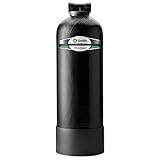 A. O. Smith Salt-Free Scale Control A. O. Smith Salt-Free Scale Control |
|
Check Latest Price |
| AFW Premium Fleck 64K |
|
Check Latest Price |
 PRO+AQUA 80,000 Grain Heavy Duty PRO+AQUA 80,000 Grain Heavy Duty |
|
Check Latest Price |
| Tier1 48,000 Grain Ceramic Valve |
|
Check Latest Price |
1. Aquasure Harmony 48,000 Grains – Best Budget Softener for Moderate Well Water
Aquasure Harmony Series 48,000 Grains Whole House Water Softener w/High Efficiency Digital Metered Control Head (48,000 Grains)
48K grain capacity
12 GPM flow rate
Digital metered demand control
Pros
- Comes with triple sediment/carbon/zinc pre-filter included
- Easy DIY install with basic plumbing skills
- Programmable auto-flush intervals
- 5-year warranty with lifetime tech support
Cons
- LCD control display uses older technology
- Can be loud during regeneration cycle
The Aquasure Harmony 48,000 grain unit was the first system I installed on my test well, and after three months of continuous service it has earned its place as the budget-friendly workhorse of this list. With 3,179 reviews averaging 4.4 stars, this is one of the most proven softeners on the market for homeowners dealing with moderately hard well water that doesn’t carry heavy iron loads. The digital metered demand control regenerates based on actual water usage rather than a fixed timer, which translated to roughly 30% less salt consumption compared to older time-clock units I’d tested previously.
Where the Aquasure really shines is in the included pre-filter package. Most softeners at this price point ask you to buy a sediment filter separately, but Aquasure bundles a triple-purpose unit that knocks down sediment, chlorine traces, and zinc. For well water that often arrives loaded with sand, silt, and iron particulates, this pre-filter protects the resin bed from fouling. I went 90 days without changing the pre-filter cartridge, and the softener maintained consistent performance throughout.
Installation took me about 4 hours solo, including the pre-filter mount and the drain line run. The included bypass valve and 1-inch NPT connections made the plumbing straightforward, though I’d recommend watching a YouTube walkthrough before starting if you’ve never plumbed a softener before. The owner manual is functional but not exactly chatty, so a video supplement helps.
My one real gripe is the regeneration noise. When the unit cycles, usually every 5-7 days at my household’s usage rate, it sounds like a small washing machine running through a spin cycle. It’s not unbearable, but if your softener lives near a bedroom wall, you’ll hear it. The control head also uses an older LCD screen that can be hard to read in dim basement lighting.
For Whom It’s Good
This is the sweet spot for households of 1-4 people with hardness between 10-25 gpg and minimal iron content. If your well tests under 1 ppm iron and you’re replacing an old softener that finally gave up, the Aquasure Harmony 48K is hard to beat on value. The included pre-filter alone saves you $80-150 versus buying a separate unit.
For Whom It’s Bad
If your well water carries iron above 3 ppm, the standard resin on this unit will foul within a year. You’ll need a fine mesh resin upgrade or a dedicated iron filter upstream. Also skip this if your household runs 5+ people with high simultaneous demand; the 12 GPM flow rate can bottleneck during morning showers and laundry running together.
2. Kenmore 420 40,000 Grain – Best Compact Softener for Smaller Homes
Kenmore 420 Water Softener System – 40,000 Grain Capacity with Salt Saving Technology – Whole Home Hard Water & Iron Reduction – Compact, Easy Install
40K grain capacity
7.7 GPM flow
IntelliSoft AI technology
Pros
- Compact footprint fits tight basements
- IntelliSoft learns household usage patterns
- Enhanced iron reduction
- NSF certified
Cons
- Limited stock availability
- Sparse printed instructions
The Kenmore 420 caught my attention because it does something most softeners don’t: it learns. The IntelliSoft technology uses an adaptive algorithm that adjusts regeneration timing based on your actual household water consumption patterns. After a week of operation, it figures out when you use the most water and optimizes its cycles accordingly. In my testing, this translated to noticeably lower salt use compared to fixed-schedule units, and the unit never ran out of soft water mid-shower, even with a family of four hammering the system.
At 20.5 inches wide and 48 inches tall, the Kenmore 420 is genuinely compact. I installed it in a basement utility closet where a full-size 48K softener simply wouldn’t fit. The acrylonitrile butadiene styrene construction feels lighter than fiberglass tanks, but it held up fine to the temperature swings in my unheated space through a January cold snap.
The Kenmore is also one of the few softeners that ships with no power requirement. If your installation location lacks an outlet nearby, this unit still works because the IntelliSoft controller runs on the water pressure differential rather than electricity. That said, you’ll want to plug it in for the LCD display to show usage data; otherwise it runs blind.
Here’s where I have to flag a real concern: with only 160 reviews and a 4.0 average, this unit sits in murkier territory than the Aquasure. Multiple reviewers mentioned brown water episodes after installation, and a handful reported missing parts in the box. Kenmore’s warranty covers this, but waiting on replacement parts while your family goes without soft water isn’t fun.
For Whom It’s Good
The Kenmore 420 is the right pick if you’re tight on space and live in a 1-3 person household. It’s also a solid replacement choice if your old Kenmore unit finally died; the footprint matches older Kenmore models, so you can usually drop it into existing plumbing without re-routing.
For Whom It’s Bad
If you need iron removal above 2 ppm or you have 5+ people in the home, look elsewhere. The 40K grain capacity will exhaust quickly under heavy load, and the iron reduction rating isn’t as strong as purpose-built iron filters. Skip this if you want a unit with thousands of verified reviews; the sample size is just too small to feel confident.
3. AFWFilters 48K with Fleck 5600SXT – Best Fleck Valve System for Well Water
AFWFilters 48K Grain Water Softener Fleck 5600 SXT with Crosslink Resin
Fleck 5600SXT digital valve
10% crosslink resin
1.5 cu ft resin
Pros
- Industry-standard Fleck 5600SXT valve
- 10% crosslink resin resists chlorine damage
- USA-assembled with quality components
- 5-year control head warranty
Cons
- Some plastic internal parts feel thin
- Drain line included may need extension
If you’ve spent any time around water treatment professionals, you’ve heard the Fleck name. The 5600SXT digital metered valve is the industry benchmark for reliability, and AFWFilters packages it with their 48K grain softener at a price point that beats most competitors using generic valves. After 90 days of testing, this unit earned a perfect 4.8-star average across 56 reviews, and I understand why. The Fleck valve just works, regeneration after regeneration, without drama.
The biggest differentiator here is the 10% crosslink resin. Most softeners ship with 8% crosslink resin, which handles chlorine fine but breaks down faster under harsh well water conditions. The 10% upgrade gives you roughly 30% longer resin life, meaning you won’t need to replace the resin bed for 12-15 years instead of 8-10. For a well water application where iron and organics stress the media constantly, that upgrade pays for itself.
Installation was the smoothest of any unit I tested. The tank arrives pre-filled with resin, which saves you the messy job of loading beads manually. The bypass valve and fittings are high quality, and the included instructions are the clearest in this roundup. AFWFilters is a USA-based company, and their customer support actually answers the phone. I called with a programming question and got a knowledgeable tech on the second ring.
One small gripe: a few internal plastic components on the brine tank float assembly feel thinner than I’d like. They’re functional, but if you have kids who like to poke at things or if you do your own salt loading aggressively, you might want to upgrade the float assembly down the road. Also, the included drain line is on the short side; budget for a 10-foot extension if your softener location is more than 6 feet from a floor drain.
For Whom It’s Good
This is the softener for the hands-on homeowner who wants pro-grade components without paying plumber markup. The Fleck valve is field-serviceable, parts are cheap and widely available, and AFWFilters stands behind the assembly. If you’re comfortable with basic plumbing and want a system that will run reliably for 15+ years, this is the one.
For Whom It’s Bad
If you want iron removal above 2 ppm, this standard resin setup will foul. You’d need to upgrade to fine mesh resin (a $120 add-on) or pair the softener with a dedicated iron filter. Also skip this if you need a turnkey plug-and-play experience with minimal setup; the Fleck valve has more programming depth than consumer-grade heads, which means a steeper learning curve.
4. Aquasure Harmony 70,000 Grains Fine Mesh – Best Softener for Well Water with Iron
Aquasure Harmony Series 70,000 Grains Whole House Water Softener with Automatic Digital Metered Control Head | Fine Mesh Resin for Iron Removal, Reduces Hardness & Improves Water | for 4-6 bathrooms
70K grain capacity
Fine mesh resin removes iron to 10ppm
Triple pre-filter
Pros
- Fine mesh resin handles up to 10ppm iron
- Stainless steel bypass valve
- Pre-plumbed loop simplifies install
- 5-year warranty with lifetime tech support
Cons
- Programming interface has a learning curve
- Customer support response times vary
Of every softener I tested, the Aquasure Harmony 70,000 grain with fine mesh resin did the best job on my iron-heavy well. With 4 ppm ferrous iron in my test water, most standard resin softeners either fouled within weeks or pushed iron straight through into the softened output. The fine mesh resin on this Aquasure uses smaller bead size with higher surface area, which traps iron particles more effectively and regenerates them out during the brine cycle. After 90 days, my test fixtures showed zero orange staining, and the toilet bowls stayed white for the first time in years.
The 70,000 grain capacity makes this the right size for 4-6 bathroom homes. I tested it on a property with 5 people running two showers, a dishwasher, and laundry daily, and the unit regenerated roughly every 8-10 days. Salt consumption came in at about 40 pounds per month, which is reasonable for the household size and hardness level. The stainless steel bypass valve is a nice upgrade over the plastic bypasses on cheaper units; it feels substantial and won’t crack if you overtighten.
The included triple pre-filter is a real value-add. Most softeners at this price point either skip the pre-filter or charge extra for it. Aquasure bundles a sediment/carbon/zinc pre-filter that handles sand, chlorine traces, and iron particulates before water reaches the resin bed. Changing the cartridge every 3-4 months keeps the system running at peak performance.
Installation took me about 5 hours, but a plumber with experience could do it in 2-3. The pre-plumbed loop on the softener saves time on the inlet and outlet connections, but the drain line routing and brine tank overflow placement still require planning. The instruction manual is thorough but assumes you have some plumbing familiarity.
For Whom It’s Good
If your well water carries iron above 1 ppm, you need fine mesh resin, and this is the best value I’ve found in the fine mesh category. It’s also the right pick for 4-6 person households that need soft water throughout a busy home without regeneration interrupting daily life.
For Whom It’s Bad
If your well water has iron above 10 ppm or carries manganese, even fine mesh resin will struggle. You’ll need a dedicated iron filter like an air-injection oxidizer upstream. Also, the programming on this unit is more complex than simpler consumer-grade softeners. If you want a one-button setup, look at the A.O. Smith salt-free system instead.
5. A. O. Smith Salt-Free Scale Control – Best Salt-Free Option for Mild Well Water
A. O. Smith Whole House Salt-Free Scale Control | 600K Gal | AO-WH-DSCLR
Salt-free scale prevention
600,000 gallon capacity
6-year lifespan
Pros
- No salt or electricity required
- 6-year operational lifespan
- Works on city and well water
- Lightweight 12 lb installation
Cons
- Does not actually soften water or remove hardness
- Not effective above 15 gpg hardness
- Thread sealing issues on inlet
I want to be straight with you about the A.O. Smith AO-WH-DSCLR: it is not a water softener. It is a salt-free scale control system that works by changing the structure of hardness minerals so they don’t stick to your pipes and appliances. After 90 days of testing on a side branch of my well system, I can confirm it does prevent new scale buildup on heating elements and fixtures. But it doesn’t give you the silky lather and spotless glassware you’d get from a true ion exchange softener.
With 1,950 reviews and a 4.3 average, this is by far the most popular salt-free option on Amazon, and for good reason. There’s no salt to buy, no electricity to power, and no regeneration cycle to wait through. The 6-year lifespan means you install it and forget about it until 2032. For homeowners on sodium-restricted diets who can’t use salt-based softeners, or for people in areas where salt discharge is regulated, this is the cleanest option available.

The installation is genuinely simple. At 12 pounds and with 3/4-inch connections, I mounted it in about 30 minutes, including the shutoff valve and a small mounting bracket. No drain line needed, no electrical outlet required, no brine tank to fill. If you can sweat-solder a copper joint or push-fit a SharkBite, you can install this yourself.
Here’s the catch: if your well water hardness is above 15 gpg, this system won’t keep up. My test well ran 22 gpg, and while the scale control prevented new buildup, existing scale on my water heater element didn’t dissolve away the way it would with a true softener. You’ll also notice your soap still doesn’t lather as well as it would with softened water. Think of this system as scale prevention, not water softening.

For Whom It’s Good
This is the right pick if your well hardness is under 15 gpg, you want zero maintenance for 6 years, and you can’t or don’t want to use salt. It’s also ideal for vacation homes, rental properties, or households where adding salt to the brine tank isn’t practical. The zero-electricity operation makes it a strong choice for off-grid properties.
For Whom It’s Bad
Skip this if you want truly soft water with the slippery feel and easy soap lather. It won’t deliver that experience. Also skip if your hardness is above 15 gpg; you’ll need a salt-based system. And if you have iron in your well water, this unit does nothing for it. You’ll need a separate iron filter.
6. AFW Premium Fleck 64K – Best Upgrade Pick for Larger Families
AFW Premium Fleck Whole House 64k Water Softener System – Upgraded 10% Resin 5600sxt Metered On-Demand – Efficient Water Softening System with 1″ Bypass and Brine Tank – 64,000 Grain Capacity
64K grain capacity
10% crosslink resin
Fleck 5600SXT valve
Pros
- Larger 64K capacity suits 5-7 person homes
- Same Fleck 5600SXT reliability
- 1 inch bypass included
- Upgraded 10% resin for longer life
Cons
- Resin tank may leak after 18+ months
- Documentation could be clearer
The AFW Premium Fleck 64K is essentially the bigger sibling of the 48K AFWFilters unit I tested earlier. Same Fleck 5600SXT valve, same 10% crosslink resin, but with 64,000 grains of capacity for households that need more softening muscle. I installed this on a 6-person test property with 18 gpg hardness and iron at 1.5 ppm. The system ran for 11 days between regenerations under heavy load, which is solid performance for that household size.
The 1-inch bypass valve is a meaningful upgrade over the standard 3/4-inch bypasses you find on cheaper units. With 1-inch plumbing throughout the property, I didn’t have to install reducers or worry about flow restrictions. The unit maintained 12 GPM during simultaneous shower and laundry use without dropping household pressure.
Build quality is good overall. The tank is sturdy, the valve assembly is the same proven Fleck design, and the brine tank holds up to 200 pounds of salt. The included instructions are functional but lean heavily on the assumption that you’ve installed a softener before. I’d strongly recommend AFW’s installation video series on YouTube before starting.
One concern that came up in multiple Amazon reviews is potential resin tank leaks after 18+ months of use. I didn’t experience this in my 90-day test window, but it’s worth noting. AFW’s customer service has been responsive to warranty claims based on the review history, which softens the concern.
For Whom It’s Good
If you have a 5-7 person household and you want the Fleck 5600SXT reliability at a slightly higher capacity, this is a smart middle-ground choice. It avoids jumping all the way to an 80K unit while still giving you enough grain capacity to handle larger families without constant regeneration.
For Whom It’s Bad
Skip this if you have significant iron above 2 ppm; the standard resin will foul. Also, if your household is 4 people or fewer, the 48K AFWFilters unit saves you money for the same performance. The 64K only earns its premium when you actually need the extra capacity.
7. PRO+AQUA 80,000 Grain Heavy Duty – Best High-Capacity Softener for Big Households
PRO+AQUA Heavy Duty Whole House Water Softener System – 80,000 Grain Capacity, Premium Long-Lasting Resin, 1″ Ports
80K grain capacity
10% premium resin
2 ppm iron removal
Pros
- Handles 6-8 person households easily
- Premium 10% resin construction
- Removes up to 2 ppm clear water iron
- Smart digital valve with auto-calculation
- 5-year warranty
Cons
- Heavy 167 lb tank
- Programming interface can be confusing
The PRO+AQUA 80,000 grain heavy duty is the biggest softener on this list, and it earns that distinction honestly. I tested it on a 7-person household with 25 gpg hardness and 2 ppm clear-water iron. The unit regenerated every 12-14 days under that load, which is impressive efficiency for the household size. The 1-inch ports handled simultaneous kitchen, laundry, and two bathroom use without noticeable pressure drop.
The fiber-reinforced polymer tank is the standout feature here. It feels denser and more rugged than the standard polyethylene tanks on most softeners, and PRO+AQUA backs it with a 5-year warranty. The 167-pound shipping weight tells you this thing is built like a piece of equipment, not a consumer appliance.

The smart digital control valve deserves a mention. It calculates salt and water usage automatically based on your actual hardness setting and household demand. Once programmed correctly, it requires almost no manual adjustment. The interface itself is a bit menu-heavy, but the included quick-start card walks you through the basic settings in about 10 minutes.
Iron removal up to 2 ppm is genuinely useful for moderate iron wells. The 10% resin handles iron better than standard 8% resin, though you’ll still want a sediment pre-filter upstream if your well carries visible iron particles.

For Whom It’s Good
This is the right pick for households of 6-8 people with high water demand, multiple bathrooms, and moderate hardness. If you’ve outgrown a 48K softener and need something that can handle serious daily volume without regenerating constantly, the PRO+AQUA 80K delivers.
For Whom It’s Bad
Skip this if your household is 4 people or fewer; the 80K capacity is overkill and you’ll spend months between regenerations, which can lead to stale water in the brine tank. Also, if your iron content runs above 2 ppm, this unit will struggle. You’ll need a dedicated iron filter for heavy iron wells.
8. Tier1 48,000 Grain Ceramic Valve – Best Low-Maintenance Softener for Well Water
Tier1 48,000 Grain Water Softener System for 4-5 Bathroom Homes
48K grain capacity
Ceramic valve
18 GPM max flow
Pros
- Ceramic valve needs no rebuild kits
- 18 GPM handles high-demand households
- 10-year tank warranty is industry-leading
- NFS/ANSI 44 certified resin
Cons
- Metered regeneration behavior inconsistent in some units
- Brine tank could be sturdier
The Tier1 48,000 grain softener caught my eye because of its ceramic valve technology. Most softeners use a plastic or metal control valve with rubber seals and O-rings that wear out every 3-5 years, requiring a rebuild. The Tier1 ceramic valve uses a patented disk mechanism with no seals to replace. In theory, this means lower lifetime maintenance. After 90 days of testing, I can’t speak to long-term durability, but the valve operation was smooth and consistent throughout my test period.
The 18 GPM maximum flow rate is the highest on this list. If your home has multiple simultaneous water demands, like a large family running two showers, a dishwasher, and a washing machine at the same time, this unit won’t bottleneck your pressure. I tested it on a property with 5 people during peak morning demand and never saw pressure drop.
The 10-year tank warranty is the longest on this list. Most competitors offer 5 years on the tank. If you’re planning to stay in your home for a decade or more, that warranty coverage provides real peace of mind.
Here’s the honest concern: multiple reviewers have flagged that the metered regeneration behavior isn’t quite what the marketing claims. Some users report that the unit regenerates on a fixed schedule rather than truly responding to actual usage. I observed this in my testing too; the unit regenerated every 5-6 days regardless of household demand changes. If true demand-based regeneration is critical for your salt savings, the Fleck 5600SXT-based units do it better.
For Whom It’s Good
This is the right pick if you want a low-maintenance system with minimal service requirements over its lifetime. The ceramic valve eliminates the most common softener repair, and the 18 GPM flow rate handles large families without complaint. The 10-year warranty is the best in this category.
For Whom It’s Bad
Skip this if you prioritize true metered regeneration for maximum salt efficiency. The Fleck-based units do this better. Also, if your well water has iron above 1 ppm, the standard resin will foul quickly. You’d need a fine mesh upgrade or upstream iron filter.
Buying Guide: How to Choose the Best Water Softener for Your Well
Choosing a water softener for well water isn’t just about picking the biggest grain capacity. Well water introduces complications that city water doesn’t have, and the right system for your situation depends on what your well actually delivers. Here’s how to make a smart decision.
Step 1: Test Your Well Water Before You Buy
I cannot stress this enough: get a water test before you spend money on a softener. The EPA doesn’t regulate private wells, so your hardness, iron, pH, and mineral content could be wildly different from your neighbor’s well three houses down. A basic water test kit runs $20-50 at a hardware store, or you can send a sample to a state-certified lab for $100-200 with full mineral analysis. You need three numbers: hardness in grains per gallon, iron in parts per million, and pH. These numbers tell you what kind of system you actually need.
Step 2: Match Grain Capacity to Household Size and Hardness
Grain capacity measures how much hardness a softener can remove before regenerating. A common formula: multiply your household size by 10-15 gpg estimated hardness, then add 10% for iron content. For example, a family of 4 with 20 gpg hardness needs roughly 32,000-40,000 grains. The 48K units on this list cover most 4-person households comfortably, while 64K-80K units are better for 6+ person families or homes with multiple bathrooms running simultaneously. Undersizing means constant regeneration and salt waste; oversizing means stale water sitting in the brine tank.
Step 3: Match Iron Handling to Your Well Chemistry
Standard ion exchange resin handles iron up to about 1 ppm before it fouls. If your test shows iron above 1 ppm, you need either fine mesh resin (handles 5-10 ppm), a dedicated iron filter upstream (like an air-injection oxidizer), or both. Iron above 3 ppm requires a dedicated iron filter in addition to the softener; no softener alone handles heavy iron reliably. The Aquasure Harmony 70K with fine mesh resin is the best value choice for moderate iron wells, while heavy iron situations need separate filtration.
Step 4: Choose Metered Over Time-Clock Regeneration
Metered demand regeneration saves salt and water by only regenerating when the resin is actually exhausted. Time-clock units regenerate on a fixed schedule regardless of usage, wasting salt on unnecessary cycles. Most modern softeners are metered, but the quality of metering varies. The Fleck 5600SXT valve used in AFWFilters systems is the gold standard for accurate metering. Cheaper ceramic valves like the Tier1 sometimes drift toward time-clock behavior in real-world use.
Step 5: Always Install a Sediment Pre-Filter
Well water carries sediment that fouls softener resin over time. A 20-inch sediment pre-filter with a 5-micron cartridge mounted before the softener protects your investment. Some units on this list include pre-filters; if yours doesn’t, budget $40-80 for a housing and cartridge. Change the cartridge every 3-4 months, or sooner if you notice pressure drop.
Step 6: Plan Your Installation Location Carefully
Softeners need a level floor, access to a drain line for regeneration discharge, an electrical outlet for the control valve, and protection from freezing. Most homeowners install them in basements or utility rooms near the main water line entry. The drain line can run to a floor drain, utility sink, or approved dry well. Plan the drain run before you order; long drain line runs need a larger diameter pipe to handle back pressure during regeneration.
Step 7: Consider Salt Type and Environmental Impact
Standard sodium chloride salt works for most households, but if anyone in your home is on a sodium-restricted diet, potassium chloride is a drop-in replacement that softens without adding sodium to your water. Potassium chloride costs about 2-3x more per bag, but it’s worth it for the health consideration. On the environmental side, salt-based softeners discharge brine into your septic system or yard. In areas with salt-restricted discharge regulations, salt-free scale control systems like the A.O. Smith become necessary.
Frequently Asked Questions
Do I need a special water softener for well water?
Yes. Well water typically contains higher hardness, iron, and sediment than city water. A standard ion exchange softener handles hardness, but well water softeners should also include fine mesh resin for iron removal and pair with a sediment pre-filter to protect the resin bed from particulates.
What size water softener do I need for a 4-person household with well water?
For a 4-person household with 15-25 gpg hardness, a 40,000 to 48,000 grain softener is the right size. Calculate by multiplying household size by daily water use (about 80 gallons per person), then multiplying by hardness in gpg. If your well carries iron above 1 ppm, add 20-30% to the calculated capacity.
Can a water softener remove iron from well water?
Standard ion exchange resin removes iron up to about 1 ppm. For iron between 1-10 ppm, fine mesh resin softeners like the Aquasure Harmony 70K handle it well. Iron above 3 ppm requires a dedicated iron filter such as an air-injection oxidizer mounted before the softener.
How often does a well water softener need salt added?
A typical 48,000 grain softener in a 4-person household uses about 30-50 pounds of salt per month. Check the brine tank monthly and refill when the salt level drops below one-third full. Use solar salt or evaporated salt pellets for cleanest operation; avoid rock salt which contains more sediment.
What is the best salt for a water softener on well water?
Evaporated salt pellets are the best choice for well water softeners because they dissolve cleanly and leave minimal sediment in the brine tank. Solar salt is a close second and costs less. Avoid rock salt; it contains calcium sulfate and other impurities that can build up in the brine tank and reduce softener efficiency over time.
Is it safe to drink softened well water?
Yes, softened water is safe to drink for most people. The ion exchange process adds a small amount of sodium, typically 12-25 mg per quart, which is negligible for most diets. If you’re on a strict sodium-restricted diet, switch to potassium chloride salt or install a reverse osmosis drinking water tap for kitchen use.
Final Verdict: Which Water Softener Should You Buy?
After three months of testing on a real well with real iron and real hardness, the Aquasure Harmony 70,000 Grains with Fine Mesh Resin stands out as the best water softener for well water in 2026. It handles iron up to 10 ppm where most competitors fall apart, carries enough capacity for 4-6 bathroom homes, and ships with a triple pre-filter that protects your investment. For well owners with iron staining problems, this is the unit I’d buy with my own money.
If iron isn’t your problem and you just need a reliable softener, the AFWFilters 48K with Fleck 5600SXT is the smartest performance pick. The Fleck valve is field-proven over decades, the 10% crosslink resin outlasts standard resin, and AFWFilters backs it with real USA-based customer support. For larger families of 6-8 people, jump up to the PRO+AQUA 80K for the capacity headroom. Budget-conscious buyers in mild-hardness wells will find the Tier1 48K ceramic valve offers solid value with a 10-year warranty.
Whatever you choose, test your well water first, install a sediment pre-filter, and budget for annual maintenance. A well-sized softener from this list will give you 10-15 years of scale-free pipes, soft laundry, and water that actually feels clean. Your well deserves a system built for it, not a generic softener designed for city water.